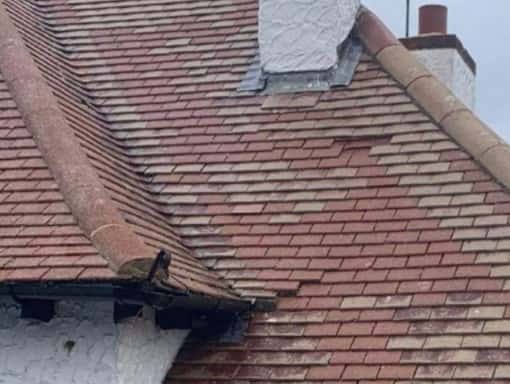
Older properties often have distinctive character, but their roofs may contain materials that have endured decades of weather exposure, movement and previous repairs. Even without a major leak, the roof covering, underlay, battens and fixings can gradually become less reliable.
Installing a new roof provides an opportunity to assess the complete roofing system rather than continuing to address individual defects. When replacement is genuinely appropriate, it can improve weather protection, resolve hidden deterioration and preserve the property’s appearance.
How a New Roof Can Improve an Older Property
A roof replacement should be based on its current condition rather than age alone. A professional assessment can determine whether further repairs remain practical or whether renewing the complete system would provide a more dependable result.
Renewing More Than the Visible Covering
Roof tiles and slates are only the outer layer of the roofing system. Beneath them are the underlay, battens, fixings and structural timbers that help keep the covering secure and direct moisture safely towards the eaves.
Replacing the roof allows these concealed components to be inspected. Damaged or unsuitable materials can then be addressed before the new covering is installed.
Improving Weather Resistance
Older roofs may contain cracked tiles, deteriorated underlay, weakened fixings or worn junctions. Individually, these defects may appear minor, but together they can make the roof increasingly vulnerable to rain and wind.
A professionally installed new roof creates a continuous weather-resistant system with correctly arranged overlaps, secure fixings and renewed junction details.
Addressing Repeated Leaks
A single leak does not necessarily mean a roof requires replacement. Localised water ingress can often be repaired when the surrounding materials remain sound.
Replacement may become more appropriate when:
- Leaks develop in several unrelated areas
- Water ingress returns after suitable repairs
- Large sections of underlay have deteriorated
- Numerous tiles or slates are loose or damaged
- Several roof junctions are failing
- Repairs uncover widespread batten deterioration
Renewing the complete roof can resolve these connected weaknesses rather than continuing to treat each one separately.
Allowing the Structure to Be Examined
The supporting structure is not always fully visible while the existing roof remains in place. Once the old covering and battens are removed, the roof timbers can be inspected more thoroughly.
This provides an opportunity to identify moisture damage, movement or weakened sections before they are concealed beneath the new installation. A stable structure is essential for the long-term performance of any roof covering.
Updating the Underlay and Fixings
Roofing underlay provides secondary protection if wind-driven rain reaches beneath the tiles or slates. Older underlay can become brittle, torn or damaged around its fixing points.
A replacement roof includes a new underlay system and suitable battens. Tiles or slates can then be secured using the appropriate fixing method for the chosen covering and roof design.
Renewing Vulnerable Roof Junctions
Chimneys, valleys, walls, rooflights and other penetrations create some of the roof’s most vulnerable areas. Existing flashing may be split, loose or poorly connected to the surrounding covering.
During a replacement, these details can be reconstructed as part of the complete roofing system. Correctly formed flashing and junctions help guide water over the roof instead of allowing it behind the covering.
Improving Roof Ventilation
Moisture within an older roof space is not always caused by a leak. Inadequate ventilation can contribute to condensation, particularly when warm air reaches colder roof surfaces.
A new installation allows the ventilation arrangement to be reviewed and suitable measures incorporated where necessary. Effective airflow helps manage moisture within the roof space and supports the performance of the roof structure.
Reviewing Insulation at the Same Time
Replacing the roof can provide better access to areas that may otherwise be difficult to examine. This creates an opportunity to review the condition and arrangement of existing insulation.
Any improvements need to work alongside the roof’s ventilation strategy. Insulation should not obstruct intended airflow or create new moisture problems within the roof space.
Restoring the Property’s Appearance
An ageing roof may contain mismatched repairs, faded materials, uneven lines or visibly deteriorated details. A new covering can create a more consistent finish across the property.
Material selection should respect the building’s proportions and character. The aim is to improve the roof’s condition while ensuring that its colour, profile and detailing remain appropriate for the property.
Improving Roofline and Drainage Details
A roof replacement also provides an opportunity to inspect the eaves, fascias, soffits and guttering. These components help direct rainwater away and protect the lower edges of the roof.
Correct alignment at the eaves ensures that water from the covering and underlay reaches the guttering. Damaged roofline materials or poorly positioned outlets can be addressed as part of a coordinated installation.
Reducing Dependence on Repeated Patching
Older roofs sometimes accumulate several generations of localised repairs. Although individual patches may stop a leak temporarily, they can leave the roof with inconsistent materials and multiple vulnerable joints.
A complete replacement creates one integrated system. This can make future inspection and maintenance more straightforward because the covering and details have been installed together.
Providing a Clearer Maintenance Starting Point
A new roof will still require sensible observation and maintenance. Gutters need to remain clear, and vulnerable details should be checked after severe weather or when visible changes occur.
However, a complete installation provides a clear starting point. The condition of the materials is known, and future changes can be identified more easily than on a roof containing many older repairs.
Why Professional Installation Matters
New materials alone do not guarantee a reliable roof. Performance depends on preparation, setting-out, fixing, overlaps, ventilation, flashing and drainage.
A professional contractor should assess the existing structure, select suitable materials and ensure that every component works as part of the same roofing system. Particular care is needed on an older property, where the roof may contain irregular dimensions or details added during previous alterations.
Conclusion
Installing a new roof on an older property can renew the covering, underlay, battens, fixings and vulnerable junctions at the same time. It also allows hidden structural issues, ventilation and roofline drainage to be reviewed while preserving the appearance of the building.
If you are considering a new roof for an older property in Eastbourne, East Sussex, contact Eastbourne Roofing Solutions to arrange a professional assessment. The team can establish whether replacement is appropriate and recommend a roofing solution suited to the property’s condition and character.
Call us on: 01323 402992
Click here to find out more about Eastbourne Roofing Solutions
Click here to complete our contact form and see how we can help with your roofing needs