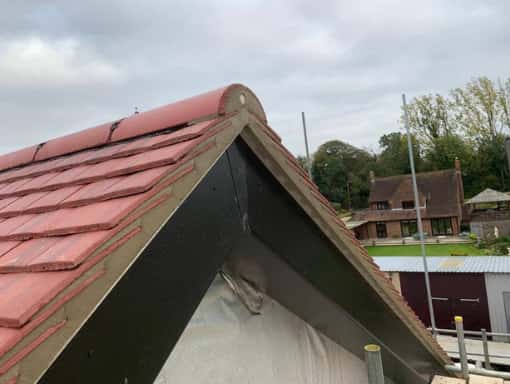
Why Minor Roofing Damage Should Not Be Ignored
Small roof defects can appear harmless, particularly when there is no visible leak inside the property. A slightly displaced tile, a narrow crack in the mortar or a small gap in the flashing may not cause immediate disruption. However, these weaknesses can allow wind and rain to affect materials that should remain protected.
For homeowners in Eastbourne, East Sussex, early attention to minor roof damage can help prevent localised deterioration from spreading into the underlay, battens, insulation or roof timbers.
A Small Defect Can Create a Route for Water
Roof coverings are designed to direct rainwater safely towards the gutters. When a tile moves or a junction begins to fail, water can pass beneath the external covering.
The amount entering may initially be too small to create an obvious ceiling stain. Instead, moisture may gradually affect concealed components before becoming visible indoors. By the time a damp patch appears, the defect may have been present for some time.
Which Small Roof Defects Commonly Cause Problems?
Several apparently minor issues can reduce the roof’s ability to remain weatherproof:
- Cracked or chipped tiles
- Tiles or slates that have moved slightly
- Small gaps in lead flashing
- Deteriorated mortar around ridges and verges
- Minor splits in a flat roof covering
- Loose fixings
- Blocked valleys or gutters
- Damaged seals around vents and roof penetrations
- Torn or exposed roofing underlay
The seriousness of a defect depends on its location, the condition of nearby materials and the amount of weather exposure it receives.
How Can One Slipped Tile Affect the Surrounding Roof?
A displaced tile can expose the underlay and create an uneven edge that catches the wind. Continued movement may place pressure on neighbouring tiles or allow them to become less secure.
Rain can also enter through the resulting gap, especially during windy conditions. Repositioning or replacing the tile promptly can help protect both the concealed roof layers and the surrounding covering.
Why Damaged Flashing Needs Attention
Flashing protects vulnerable junctions where the roof meets chimneys, walls, vents and other features. Even a small opening can allow water into an area where several materials meet.
Moisture may then travel behind the flashing or along the roof structure before appearing elsewhere. Applying a temporary surface seal may hide the visible gap without correcting its underlying cause, which is why proper inspection is important.
Can Small Mortar Cracks Become More Extensive?
Mortar around ridge, hip and verge tiles can weaken through age and continued weather exposure. A narrow crack may gradually admit moisture, while repeated expansion and contraction can loosen the surrounding material.
Once the mortar loses its grip, tiles may begin to move. Loose fragments can also fall into gutters and contribute to drainage blockages. The condition of the entire affected section should be checked rather than treating only the most visible crack.
How Blocked Drainage Can Affect the Roof
Leaves, moss and other debris can prevent rainwater from flowing freely through gutters and valleys. Water may then overflow, collect in vulnerable areas or travel beneath the roof covering.
Persistent overflow can affect:
- Fascias and soffits
- Roof-edge timbers
- Exterior walls
- Gutter brackets and joints
- Lower tiles and underlay
- Areas around valley junctions
Clearing the blockage may solve the immediate issue, but any resulting deterioration should also be assessed.
Why Flat Roof Defects Can Spread
A small split, blister or lifted seam on a flat roof may allow moisture beneath the surface. Once trapped, water can travel between layers and affect a larger area than the original opening suggests.
Ponding water can place additional strain on weak sections. Early assessment helps determine whether a local repair remains suitable before moisture spreads through the roof build-up.
Hidden Damage May Develop Before a Leak Appears
The absence of an indoor leak does not confirm that a roof is sound. Underlay can temporarily redirect water, and insulation may absorb moisture before it reaches the ceiling.
Possible early indicators include:
- A musty smell in the loft
- Damp or compressed insulation
- Dark marks on roof timbers
- Daylight visible through the covering
- Rusted fixings
- Debris collecting beneath tiles
- Unexplained changes around the eaves
These signs warrant further investigation, even if the rooms below remain dry.
Weather Can Make a Minor Weakness Worse
A defect may remain unchanged during calm, dry conditions but deteriorate rapidly during heavy rain or strong winds. Wind can lift an already loose tile, while driving rain can enter openings that ordinary rainfall does not reach.
Seasonal temperature changes may also widen cracks or affect weakened joints. Addressing the defect while it remains limited is usually less disruptive than waiting for surrounding components to become involved.
Why Accurate Diagnosis Matters
The visible fault may not be the only problem. A cracked tile could sit above damaged underlay, while a ceiling mark may originate from flashing several metres away.
A professional roof inspection can establish:
- Where water is entering
- Whether damage is localised
- Which materials have been affected
- Why the defect developed
- Whether neighbouring components remain secure
- What type of repair is appropriate
This prevents the work from focusing solely on the symptom and reduces the likelihood of the same problem returning.
When Should a Small Defect Be Inspected?
Roof damage should be assessed promptly if it involves visible gaps, loose materials, recurring dampness or changes following severe weather. It is also sensible to arrange an inspection when several minor defects appear within the same area, as this may indicate more general deterioration.
Homeowners should avoid climbing onto the roof. Many defects can only be evaluated safely with appropriate access equipment and roofing knowledge.
Conclusion
Small roof defects can develop into larger problems when they allow water, wind or debris to affect surrounding materials. A single displaced tile, minor flashing gap or short split in a roof covering may eventually lead to damaged underlay, weakened timber or internal dampness.
If you have noticed a change in your roof, Eastbourne Roofing Solutions can inspect the affected area and recommend a suitable course of action. Contact our team for professional roof repairs in Eastbourne, East Sussex.
Call us on: 01323 402992
Click here to find out more about Eastbourne Roofing Solutions
Click here to complete our contact form and see how we can help with your roofing needs.